
Caffeine Pouches vs Energy Drinks: Which Is Better?
Caffeine pouches offer a discreet, sugar-free alternative to energy drinks. They contain no sugar, almost zero calories, and are easy to use in many situations. Compare options and learn how caffeine pouches differ from traditional energy drinks.
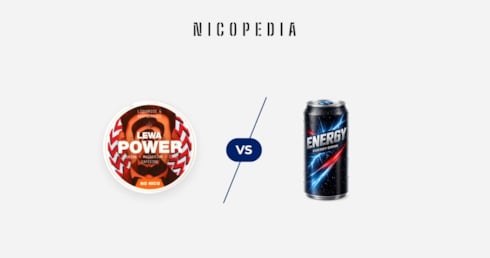
Key Takeaways
- Caffeine pouches are sugar-free, discreet, and contain virtually no calories.
- The effects of caffeine pouches can be perceived to be faster than those of energy drinks.
- Pouches are often cheaper per serving than traditional energy drinks.
- Pouches are portable and suitable for use in meetings, travel, or during exercise.
- Many energy drinks contain sugar and calories (though sugar-free options are available).
What Are Caffeine Pouches?
Caffeine pouches are small, pre-portioned pouches that are placed under the lip.
They look similar to tobacco-free nicotine pouches, but they are nicotine-free and contain caffeine.
Some caffeine pouches contain ingredients like ginseng, amino acids, or vitamins, in which case they are called energy pouches.
Energy drinks are caffeinated beverages that contain caffeine and other ingredients that are associated with wakefulness, such as taurine, guarana, or ginseng.
The Benefits of Caffeine Pouches
Compared to energy drinks, caffeine pouches offer several benefits:
- Hands-free
- Can be used where food and drink are not allowed
- Very discreet
- No sugar
- Typically contain ~0 calories
- Effects may be perceived more quickly than traditional caffeine sources
- Travel-friendly
- Typically cheaper per serving
- No fluid intake (which may reduce need for bathroom breaks)
Caffeine Pouches vs Energy Drinks: A Comparison
The table below compares caffeine pouches and energy drinks when it comes to cost, caffeine content, calorie and sugar content, and duration and perceived onset of caffeine effects.1, 2
There is currently no research on the onset of the effects of caffeine in caffeine pouches. However, they are likely to work in a similar way to caffeinated chewing gum, as both deliver caffeine through the oral lining.
Research on the effects of energy drinks is also limited. The figures given are based on general observations of caffeine.
| Feature | Energy Drink | Caffeine Pouch |
| Product | Red Bull (250 ml) | Hicaff Energy Rush pouch |
| Cost | £1.95 |
15p per pouch £3.19 for 1 pack, which contains 20 pouches |
| Caffeine Content | 80 mg | 100 mg |
| Sugar Content | 27.5 g (sugar-free options available) | 0 g |
| Calorie Content | 115 | ~0 |
| Risk of Energy Crash | Higher (due to extra sugar) | Lower (contains no sugar) |
| How Caffeine is Absorbed | Through the stomach and gut | Through the oral lining (a small amount is swallowed) |
| Approximate Onset of Noticeable Effects | 30–60 minutes |
5–15 minutes (Based on studies of caffeinated chewing gum) |
| Duration of Effects | About 4–6 hours | About 4–6 hours |
| Flavour Variety | Tropical fruits, fruit, traditional energy drink flavour | Mint, fruit, energy drink, cola |
| Typical Brands | Red Bull, Monster, Relentless | Hicaff, XQS, Lewa |
Do Caffeine Pouches Deliver Caffeine Quicker Than Energy Drinks?
Caffeine pouches do not necessarily deliver caffeine faster than energy drinks overall.
However, some people may feel the effects sooner when compared with caffeinated drinks.
This is because caffeine from pouches or chewing gum can begin to be absorbed in the mouth as soon as the product is used, while caffeine from drinks is absorbed after swallowing.
As a result, some users may perceive that caffeine pouches deliver effects quicker.1
It’s also worth noting that using caffeine on an empty stomach may make its effects feel stronger and faster.
Guidelines on Caffeine Consumption
400 mg is the daily caffeine intake recommended for most healthy adults.3
Read more about managing your caffeine intake on our Caffeine Pouch page.
Where Can You Use Caffeine Pouches?
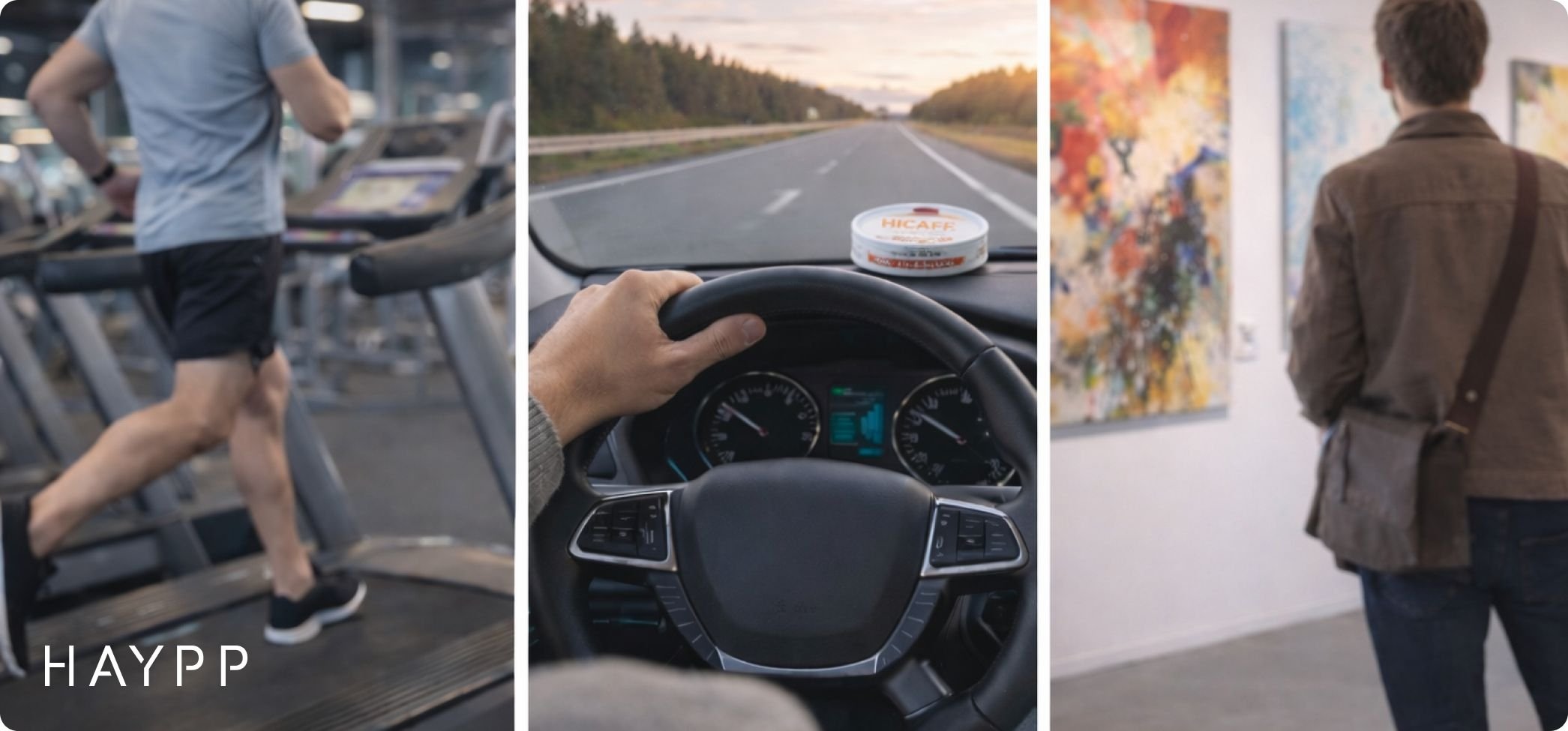
There are several places where it may be more practical to use caffeine pouches instead of caffeinated drinks:
- In a meeting
- Before or during exercise
- Driving
- Hiking
- Customer-facing roles
- During exams
- Travelling and public transport
- In cold weather (when drinks are awkward to handle)
- Concerts and conferences
- Museums and galleries
Caffeine pouches fit these situations because they:
- Are hands-free
- Will not spill anything
- Have no smell or noise
- Are discreet and portable
Explore Popular Caffeine Pouches on Haypp UK
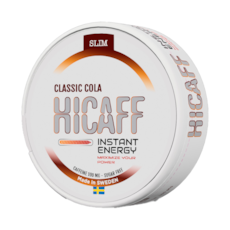
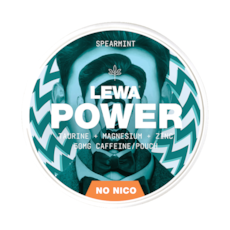
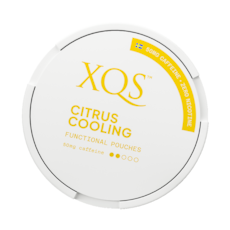
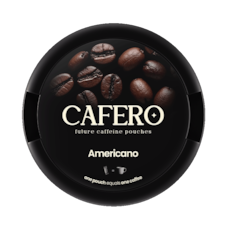
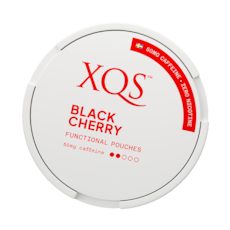
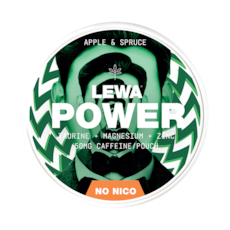
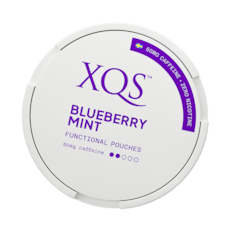
Want to get started with caffeine pouches? These are ones most purchased by our customers:










Final Thoughts
Caffeine pouches provide a discreet, low-calorie alternative to energy drinks, with the convenience of hands-free use and potentially quicker effects.
They are versatile for various environments, making them a practical choice for adults seeking caffeine on the go.
FAQs Caffeine Pouches vs Energy Drinks
Are caffeine pouches as strong as energy drinks?
Most caffeine pouches contain 50–100 mg of caffeine, which is similar to a standard energy drink serving.
Can I use caffeine pouches while exercising?
Yes, you can use caffeine pouches when exercising. Caffeine pouches are convenient, hands-free, and do not require fluid intake.
Are caffeine pouches suitable for travel?
Caffeine pouches are suitable for travel, because they are compact, discreet, and spill-free.
Are caffeine pouches better for you than energy drinks?
Whether caffeine pouches are better than energy drinks is subjective.
However, some users prefer caffeine pouches to energy drinks because they are sugar- and liquid-free, cheaper per portion, portable and discreet, and contain almost no calories.
Are caffeine pouches safe?
Caffeine pouches are generally considered safe for healthy adults when used responsibly and within recommended caffeine limits.
What are caffeine pouches side effects?
The side effects of caffeine pouches are similar to those of caffeine and can include sleep disruptions and feeling jittery. Read more in our Caffeine vs Nicotine guide.
References
- Administration of Caffeine in Alternate Forms. K.A. Wickham and L.L. Spriet.
- Caffeine, nicotine, cannabis, and psilocybin: Pharmacology, toxicology, and potential therapeutic uses of four naturally occurring psychoactive substances. S.E. Christen et al.
- A Randomized, Two-Way Crossover Study to Evaluate the Pharmacokinetics of Caffeine Delivered Using Caffeinated Chewing Gum Versus a Marketed Caffeinated Beverage in Healthy Adult Volunteers. P. Sadek et al.
