
How To Quit Smoking
Quitting smoking is a personal decision, and many resources exist to support those who choose to take this step. This guide summarises NHS-backed Stop Smoking Services and support options available in the UK to help those seeking to reduce or quit smoking.

Key Takeaways
- In 2024, around 5.3 million people smoked cigarettes in the UK.
- NHS-backed programmes offer behavioural support and nicotine replacement therapies.
- Quitting is often approached in stages: preparation, action, and maintenance.
- Sweden’s daily smoke rate is under 5%, in part thanks to alternative nicotine products.
Why Reducing Smoking Can Be Challenging
According to the Office for National Statistics, in 2024 approximately 5.3 million adults smoked cigarettes in the UK.1
There can be several difficulties in getting smokers to quit cigarettes, including withdrawal symptoms, social influence, and cultural traditions.
In some countries, consumer-driven transitions to alternative nicotine products have led to a significant reduction in smoking rates.
Read more about this in the section “Alternative Nicotine Products.”
Available Support & Resources
There are two main approaches that people explore when adjusting their smoking habits:
- Going Cold Turkey – Some individuals choose to stop smoking without substitutes. According to the NHS, this can be challenging due to nicotine dependence.2
- Using Support Tools – Services like the NHS provide structured programmes which include nicotine replacement therapies (NRT) and behavioural support services.3

How to Quit Smoking
The NHS provides a lot of quit smoking resources and advice to help you on your journey.
For example, their stop smoking services provide:
- Expert advisors
- Information and advice
- Professional support
- Help getting quit smoking aids
- One-to-one and group stop-smoking sessions
The Three Stages of Quitting Smoking
Wondering about the best way to quit smoking? There is no particular best way, but the NHS recommends a mixture of behavioural guidance and using a quit-smoking aid.
Breaking the process into manageable stages can also make the transition easier.
1. Preparation
- Setting a realistic timeline to reduce or quit smoking can be a useful tool.
- Identifying motivations and challenges may help individuals adjust their approach.
- Exploring available NHS support and professional guidance can provide structure.
2. Action
- Some individuals find that adjusting their environment, such as removing cigarettes and smoking-related items, helps manage nicotine habits.4
- The NHS notes that combining treatments, such as nicotine-free medicine with nicotine patches or gum, can help with quitting permanently.4
According to the UK Health Security Agency:
"There is clear evidence that the most effective way to quit smoking is with expert behavioural support from local stop smoking services combined with stop smoking aids, including the prescription tablets Varenicline and Bupropion, NRT and e-cigarettes.
Smokers who get this package of support are up to four times more likely to quit successfully than those who try to quit unaided or with over the counter NRT.”5
3. Maintenance
- Recognising milestones and progress can help reinforce long-term adjustments.
- Getting support from professional services, friends, and family can be a helpful tool.6
Nicotine Replacement Therapies (NRTs)
There are several quit-smoking aids which are available in the UK. There is no single best quit smoking products that work for everyone. The NHS notes that different people benefit from different combinations of behavioural support and stop-smoking aids.
Nicotine Gum
Nicotine gum to quit smoking is one of the most commonly used NRTs.
iTo use it, chew the gum and then place the gum between your gums and cheek. Nicotine is delivered through the lining of your mouth and throat. Remove after approximately 30 minutes.
Read about the differences between nicotine gum vs nicotine pouches in our detailed guide.
Nicotine Patches
Many people use nicotine patches to quit smoking. Nicotine patches deliver nicotine through your skin into the bloodstream, providing a consistent release of nicotine throughout the day.
Always read the instructions before use, as directions may vary between brands.
Nicotine Spray
One of the fastest-acting quit-smoking aids, nicotine spray can relieve cravings in under a minute. Simply spray into your mouth whenever you feel the urge to smoke.
Alternative Nicotine Products
These products are smoke-free alternatives to cigarettes.
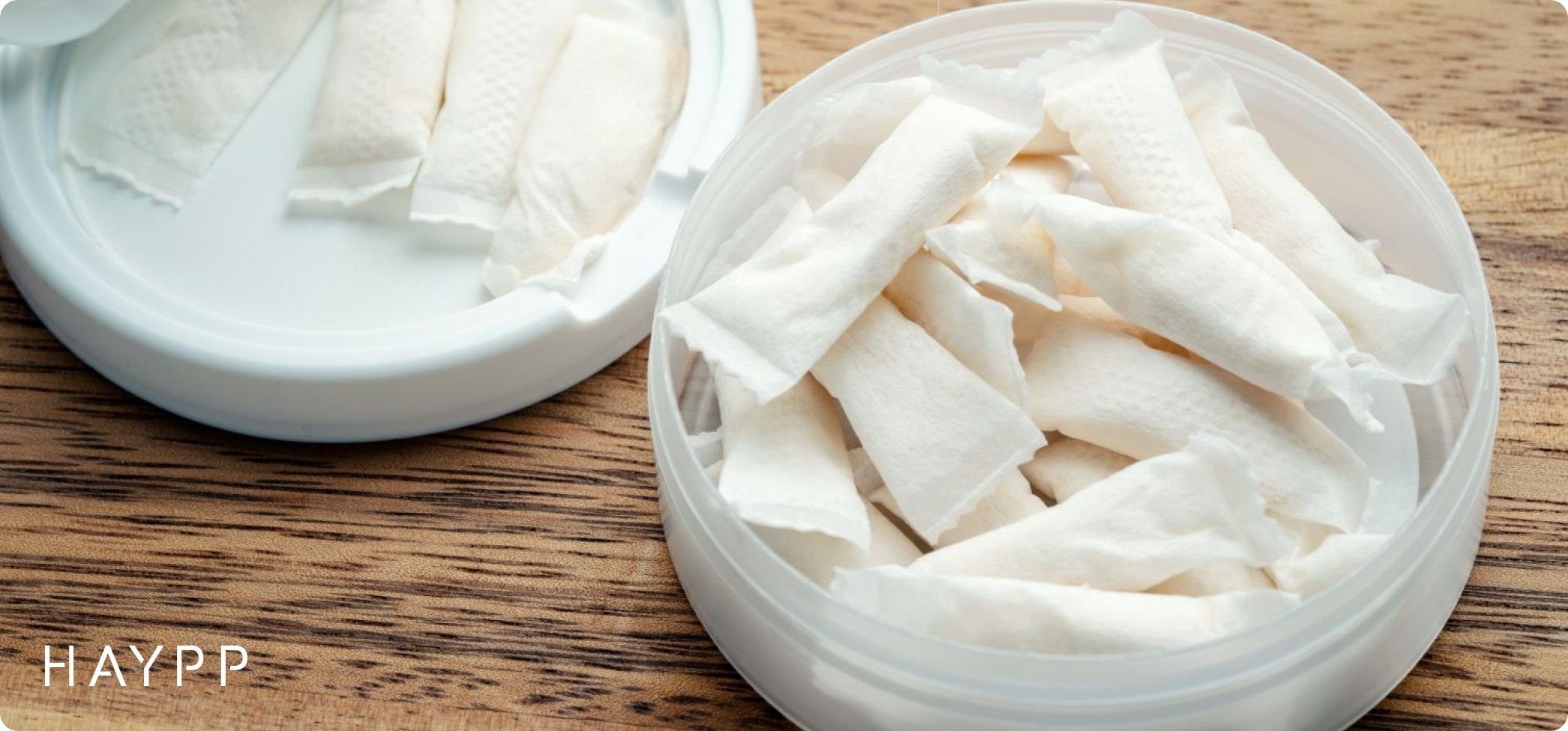
Nicotine Pouches
Alternative nicotine products, including nicotine pouches and snus, may have played a role in reducing smoking rates in countries like Sweden.
Sweden has one of the lowest adult smoking prevalence rates in Europe, with its daily smoking rate falling below 5% in 2025. This means that Sweden has reached smoke-free status.
The economist David Sundén, who calculated this figure, states:
“[Sweden] has had relatively high cigarette taxes for a long time. But just as important is the availability of alternatives: snus and, later, nicotine pouches.”
National data show widespread use of alternative nicotine products such as snus and nicotine pouches among Swedish adults, which coincides with declines in smoking rates.7
While these products are not part of NHS-backed stop smoking services, their impact in other countries highlights the role of consumer choice in smoking reduction strategies.
Nicotine Pouches Vs Cigarettes
How do nicotine pouches compare to cigarettes?
- Cost: Nicotine pouches are significantly cheaper than cigarettes. According to our nicotine cost calculator, if you smoke 10 cigarettes a day, you could save over £2,000 per year by switching to nicotine pouches (2026 prices).
- Odour and Smoke: Cigarette smoke lingers, whether it’s on your clothes or your fingers. Nicotine pouches do not produce any vapour or smoke and are entirely odourless.
- Regulations: It has been illegal to smoke inside enclosed public places and workplaces since 2006. For users looking for smoke free alternatives for commuting, nicotine pouches can be a practical option.
Vapes
The NHS states that “nicotine vaping is less harmful than smoking”, but also notes that “vaping is not completely harmless.”8
Government initiatives in England offer free stop smoking vape kit alongside behavioural support to smokers who want to quit.
A 2026 study of UK Stop Smoking Services found that average quit rates were 61.5% among services using vapes to support quitting, compared with 56.2% for other types of stop-smoking support.10
However, the researchers noted that the study cannot prove that vaping itself was responsible for the higher quit rate.
People often look for the best vape to quit smoking, but the NHS does not recommend one specific device. Instead, they advise combining suitable stop-smoking aids with behavioural support.

Quit Smoking Timeline
According to the NHS, this is the typical timeline for quitting smoking:
- After 20 minutes: Pulse returns to normal.
- After 8 hours: Your oxygen levels recover and carbon monoxide levels have halved.
- After 48 hours: Carbon monoxide levels have reached the same levels of a non-smoker.
- After 72 hours: It might be easier to breathe, because your bronchial tubes have started to relax.
- After 2 to 12 weeks: You may notice improved circulation, which helps deliver blood and oxygen to your muscles and organs.
- After 3 to 9 months: You may notice that coughing, wheezing, and breathing problems have improved. Lung function has increased by up to 10%.
- After 1 year: Your risk of a heart attack has now reached half that of a smoker’s.
- After 10 years: Risk of death from lung cancer is now half that of a smoker’s.
What Happens When You Quit Smoking?
The NHS notes that the following things may happen when you quit smoking:
- After 48 hours, taste and smell may start to improve.
- You may gain weight, because nicotine can suppress your appetite. If this is a concern, focus on having a healthy and balanced diet.
- You might cough more and have extra phlegm. This is your lungs clearing out toxins and mucus.
- You may feel emotional. Quitting smoking is a big change, and you may feel that you have lost something familiar and supportive even as you gain control over your life.
- Nicotine withdrawal symptoms are common. The NHS says that cravings typically only last for 15 minutes, so it can help to distract yourself by chewing gum or going for a walk when they hit.
Additional Support Resources
Finding the right support can make a significant difference.
- In the UK, the NHS offers local stop smoking services which are free. You can speak to experts who will offer support and guidance, with alternative nicotine products available.3
- Online communities can provide support during your quitting journey.
- NHS resources include apps, quit plans, and helplines that offer structured assistance.
Potential Benefits of Transitioning Away from Smoking
The NHS says that individuals who reduce or quit smoking often report several changes:9
- Physical Health - Enhanced sense of taste and smell, able to breathe easier, and increased energy.
- Financial Savings – The average smoker could save up around £2,500 a year.
- Mental Health – Many ex-smokers report feeling less anxious, depressed, and stressed once they’ve gotten past the withdrawal stage.
- Long-Term Health – The long-term risk of cancer, lung disease, heart disease, and stroke will be reduced by a significant amount.
Final Thoughts
While smoking cessation remains a personal journey, evidence from the UK and internationally suggests that accessible nicotine alternatives can contribute to reducing smoking rates.
Sweden’s experience demonstrates how consumer-driven harm reduction strategies can support this process without excessive regulatory intervention.
The availability of NHS-backed stop smoking services, along with broader access to alternative nicotine products, allows individuals to make informed choices about their path towards a smoke-free lifestyle.
FAQs Quit Smoking
Is snus better than smoking?
Whether snus is better than smoking depends on what is being compared. Unlike cigarettes, snus does not involve burning tobacco, so it does not produce smoke or tar. It also does not produce any vapour.
The answer is the same for “Are nicotine pouches better than smoking?” Nicotine pouches can function as an alternative to cigarettes and are both smoke- and vapour-free.
Some people search for “snus to quit smoking”*. However, nicotine pouches are not part of the NHS stop smoking services.
*“Snus” means tobacco-free snus, as nicotine pouches are sometimes referred to in the UK. Read more in our snus vs nicotine pouches guide and find out why snus is not legal in the UK.
Do nicotine pouches help quit smoking?
Nicotine pouches are not licensed stop-smoking medicines in the UK and the NHS does not recommend them as a smoking cessation treatment.
If you want to quit smoking, the NHS advises using approved stop-smoking aids alongside behavioural support from a local Stop Smoking service.
How effective are vapes for quitting smoking?
A 2026 study of UK Stop Smoking Services found average quit rates of 61.5% among services using vapes to support quitting, compared with 56.2% for other forms of support.
However, the researchers noted that the study cannot prove that vaping itself caused the higher quit rate.
What support is available to help me quit smoking?
Support for quitting smoking include NHS Stop Smoking Services, behavioural support, and stop-smking aids such as nicotine replacement therapies.
The NHS recommends combining suitable stop-smoking aids with behavioural support.
References
- Adult smoking habits in the UK: 2024. Office for National Statistics.
- Should I quit smoking cold turkey? NHS.
- NHS stop smoking services help you quit. NHS.
- Managing nicotine withdrawal symptoms. NHS.
- Health Matters: Stopping smoking - what works? UK Health Security Agency.
- Get back on track after a smoking relapse. NHS.
- Use of tobacco and nicotine products. The Public Health Agency of Sweden
- Vaping to quit smoking. NHS.
- Benefits of quitting smoking. NHS.
- An Assessment of the Provision of Vaping Products by UK Stop Smoking Services Using Data From Freedom of Information Requests. I.M. Fearon et al.
