Hi! Did you know that you can easily reorder a previous order on My Pages? Just click “reorder” to get all your favourites delivered again.
Product categories

Nicotine is commonly associated with tobacco and nicotine pouches, but it may surprise you to learn that nicotine in food exists too. Trace amounts of nicotine occur naturally in some everyday foods, including potatoes and aubergines. Read on to find out what the science says and whether it affects your health.
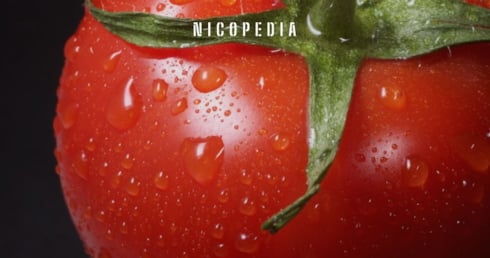
Have you ever wondered what foods contain nicotine or what food contains nicotine?
Research published in the New England Journal of Medicine analysed nicotine levels in the following vegetables and plants:1
Some of these are foods that contain nicotine, although levels vary and some showed no detectable nicotine.
The researchers found trace amounts of nicotine in food, measured in nanograms per gram (ng/g), which is one-billionth of a gram.
For comparison, the New England Journal study notes that you would inhale approximately 1 microgram of nicotine (one-millionth of a gram) through 3 hours of passive exposure to cigarette smoke.1
1 microgram is 1,000 times larger than a nanogram, which shows just how small the amounts of nicotine in food really are.
No, the levels of nicotine in food are far too small to have any meaningful effect.
This is because:
It is less effective to eat or digest nicotine compared to inhaling or absorbing through the mouth, as explained in this can you swallow snus guide.
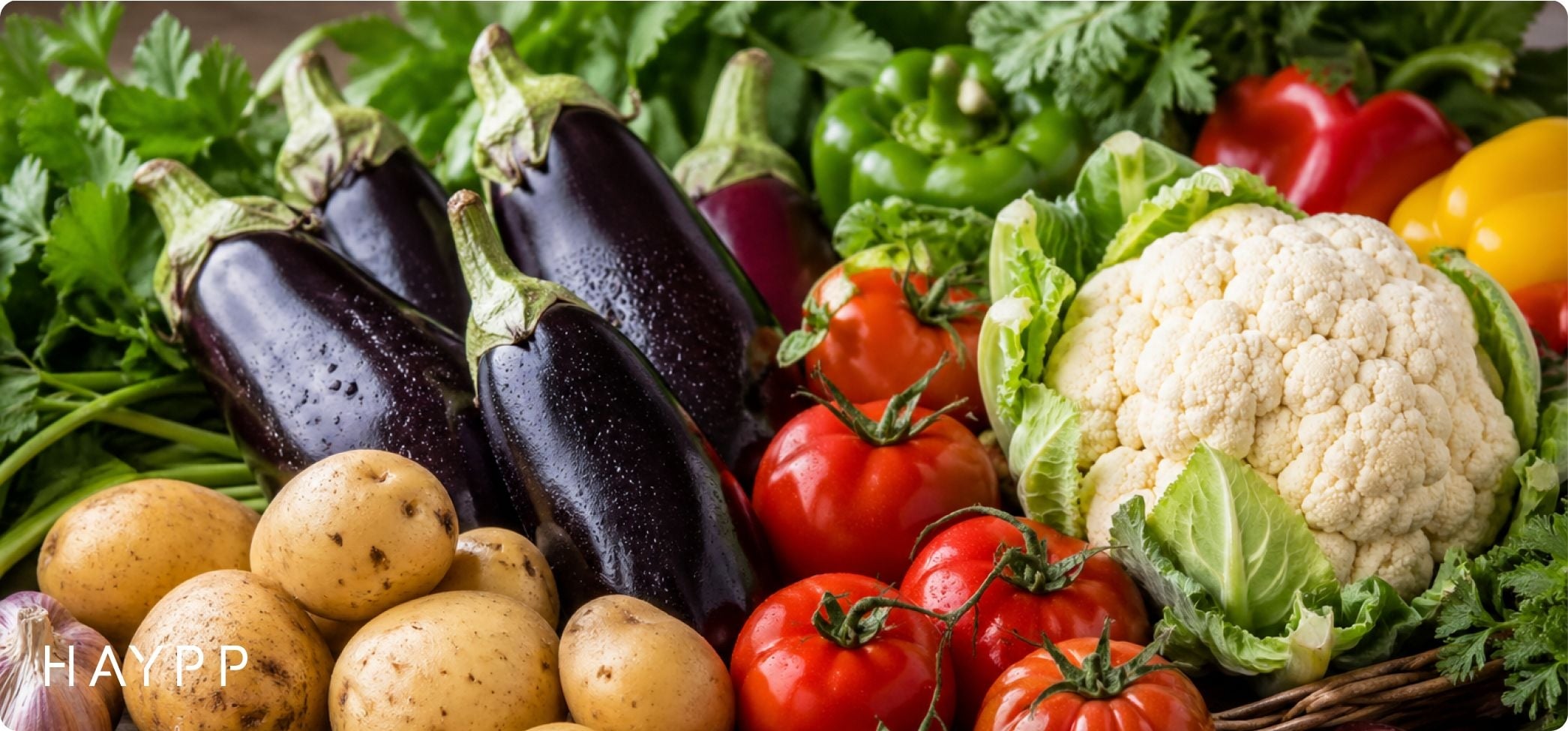
When asking what food has the most nicotine, aubergine had the highest levels among the foods tested.
The researchers found that aubergine nicotine levels are around 100 nanograms per gram.
Even at this level, the amount is still tiny.
The paper notes that you would need to eat around 10 grams of aubergine to consume about 1 microgram of nicotine (the approximate amount of nicotine inhaled through 3 hours of passive cigarette smoke exposure).
It’s common to wonder do tomatoes have nicotine or is there nicotine in tomatoes?
Yes, nicotine in tomatoes exists, but only in trace amounts.
Wondering how much nicotine is in a tomato? This depends on type and ripeness, but approximately 4.1–10.7 nanograms per gram of nicotine.
Another commonly searched query is do potatoes have nicotine.
Yes, potatoes contain very small amounts of nicotine, depending on the part of the potato:
Again, these levels are extremely low.
You might also be wondering: does cauliflower contain nicotine?
Although not a member of the nightshade family, cauliflower has been reported to contain trace amounts of nicotine at around 16.8 nanograms per gram, according to the study.
The study also investigated whether green peppers and black tea contain nicotine.
While nicotine in food does exist, the amounts are incredibly small.
These foods (including potatoes, tomatoes, and aubergine):
So while it’s true that foods that contain nicotine exist, the levels are so minimal that they do not have any of the typical effects of nicotine.
Yes, potatoes contain trace amounts of nicotine, but the levels are extremely low and not considered a health concern.
This answers the common query do potatoes contain nicotine?
Yes, there is nicotine in tomatoes, but only in trace amounts.
So if you’re wondering do tomatoes have nicotine in them, does tomatoes have nicotine, and do tomatoes contain nicotine, the answer is yes, but these amounts are so low that they have no noticeable effect on the body.
Some foods that contain nicotine include tomatoes, potatoes, and aubergine.
However, the amount of nicotine in food is extremely small compared to tobacco products.
No, nicotine in food does not affect your body in any meaningful way, because the levels of nicotine are too low.
Additionally, nicotine is processed less effectively when digested, compared to being inhaled or absorbed through the mouth.
