
Does Nicotine in the Evening Affect Sleep?
Nicotine is a stimulant. While that can be useful during the day, using it later in the evening may have an impact on how well you sleep. Learn more about using nicotine pouches in the evening, as well as tips for a good night’s rest.

Key Takeaways
- Nicotine can disrupt sleep when used close to bedtime.
- Evening nicotine use may affect cortisol and natural sleep rhythms.
- Stronger pouch strengths can feel more stimulating at night.
- Effects vary based on timing, routine, and personal sensitivity.
How Nicotine Can Influence Sleep
Nicotine is a stimulant, which means it can increase alertness and focus. Because of this, using tobacco-free nicotine pouches too close to bedtime may make it harder to fully wind down.
No studies have looked specifically at nicotine pouches, but research on smokers has linked nicotine use with:1,2
- Lighter sleep
- Waking up more frequently during the night
- Difficulty staying asleep
In one study of smokers, participants did not notice these disruptions, but they still woke up more often than they realised.2
Nicotine may also affect hormones like cortisol, which are involved in your natural sleep-wake cycle.4
Using nicotine in the evening, when cortisol levels would typically be declining, could potentially interfere with this process.
How Late Is Too Late?
The effects of a nicotine pouch are usually felt for around 20 to 60 minutes, depending on the strength and individual.
However, nicotine can stay in your system for several hours. One study found that using nicotine within four hours of bedtime was linked to poorer sleep and more awakenings.3
This means that even if the immediate effects wear off, timing can still matter.
Can You Sleep with a Nicotine Pouch In?
Nicotine pouches are not designed for overnight use.
Keeping one in while you sleep may lead to:
- Gum irritation
- Ongoing nicotine exposure
- Discomfort
- Swallowing the pouch
Does Strength Make a Difference?
Nicotine pouches come in different strengths, and stronger options (like strong snus or extra strong pouches) can feel more intense.
Using higher-strength nicotine pouches in the evening may increase the chance of sleep disruption.
Because of this, some people choose to switch to low strength snus or by stopping using nicotine altogether close to bedtime (by using nicotine-free pouches, for example).
Nicotine, Sleep, and Daily Routines
It’s also important to be aware of how your daily habits interact with nicotine–especially at night.
Combining multiple stimulating routines, such as drinking coffee, using screens late, or intense exercise, can impact your ability to wind down.
Managing stress and developing calming bedtime habits (like using a mindfulness app or reading) can help reduce potential sleep disruption.
Tips For Better Evening Rest
Try the following tips if you find that nicotine pouches are affecting your ability to sleep:
- Track your sleep and snus timing for several weeks to spot any patterns
- Try using your last pouch earlier in the evening to compare effects
- Explore different pouch strengths or types to see if switching helps
- Use calming activities (like mindfulness, journaling, or reading) for a more restful evening routine
- Be mindful of caffeine use, late meals, and excessive screen time
If you want to keep your evening snus habit, why not try nicotine-free pouches? Browse popular options below.
-
Zeronito Zeronito Icy Mint Slim Nicotine Free
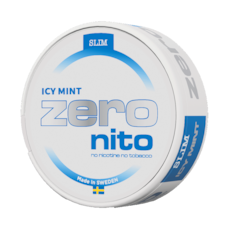
 Zeronito Zeronito Icy Mint Slim Nicotine Free
 -
FIX FIX Zero Peppermint Nicotine Free
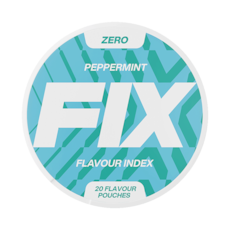
 FIX FIX Zero Peppermint Nicotine Free
 -
Zeronito Zeronito Strawberry Lime Slim Nicotine Free
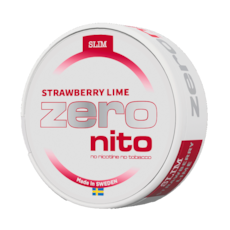
 Zeronito Zeronito Strawberry Lime Slim Nicotine Free
 -
Loop LOOP Zero Cool Mint Nicotine Free
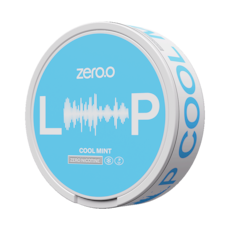
 Loop LOOP Zero Cool Mint Nicotine Free
 -
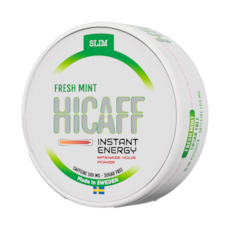
Hicaff Hicaff Fresh Mint 100mg Caffeine
 OfferOfferOffer
 Hicaff Hicaff Fresh Mint 100mg Caffeine
Common Myths Around Snus and Sleep
When it comes to how snus interacts with sleep, there are a couple of myths that are worth debunking.
|
Myth |
Explanation |
|
An evening pouch is naturally relaxing. |
Any relaxation is more likely to come from the habit of using the pouch, rather than nicotine’s effect on the nervous system. |
|
Switching to lower-strength pouches will always reduce sleep disturbances. |
Other factors, like stress, what you’ve consumed earlier that day, and even genetics, also impact sleep. |
Final Thoughts: Snus and Sleep
Nicotine doesn’t affect everyone’s sleep in the same way, but using it later in the evening may make a difference.
If you’re experiencing lighter or disrupted sleep, reviewing when and how you use nicotine could be a helpful place to start.
FAQs Does Nicotine in the Evening Affect Sleep?
Does using nicotine pouches at night always disturb sleep?
Using nicotine pouches in the evening doesn’t always disturb sleep, but some users may find that it can make falling and staying asleep more difficult.
Are lower strength snus products better for sleep?
Some people may find that lower strength snus, or even nicotine-free snus, helps reduce impact on their sleep.
However, overall sleep duration and quality is impacted by many factors, including personal routine and individual sensitivity to nicotine.
How can I tell if snus affects my sleep?
Tracking your sleep alongside when and how often you use snus can help you identify any patterns or disruptions.
Does nicotine help you sleep?
Nicotine itself is a stimulant, so it generally isn’t recommended as a sleep aid.
References
- Effects of Nicotine on the Central Nervous System and Sleep Quality in Relation to Other Stimulants: A Narrative Review. Nihaal Singh, Anil Wanjari, and Arya Harshyt Sinha.
- The Relationship Between Tobacco Smoking, Cortisol Secretion, and Sleep Continuity. Ami Cohen, Raul Colodner, Rifat Masalha, and Iris Haimov.
- Evening intake of alcohol, caffeine, and nicotine: night-to-night associations with sleep duration and continuity among African Americans in the Jackson Heart Sleep Study. Christine E Spadola, Na Guo, Dayna A Johnson et al.
- Impact of nicotine, cannabis, co-use and non-use on single day morning and evening cortisol and subjective state: During ambulatory assessment. Keogh, Budney, Allen, Hatsukami, DeAngelis, and al'Absi.

