
The Disposable Vape Ban: One Year On
One year has passed since the disposable vape ban was introduced in the UK. New survey data from Haypp suggests that the ban has not worked as intended and has instead pushed some vapers towards illicit products or a return to smoking.
Key Takeaways
- One year after the ban, sales of illicit disposable vapes persist.
- Over a third of survey respondents purchased disposable vapes despite the ban.
- Many have reduced vaping, but some returned to smoking cigarettes.
- Sheffield and Newcastle emerge as hotspots for illegal purchases.
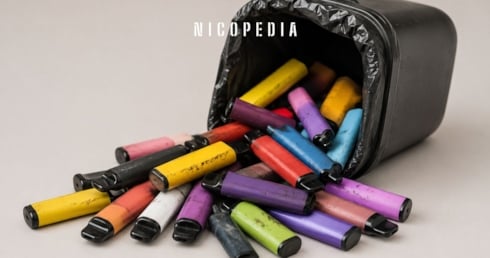
- Stockpiled disposable vapes may pose battery safety risks.
One Year On: What the Survey Reveals
The survey of 1,000 vape users reveals the downsides of the landmark ban. Alarmingly, 35% of survey respondents say they purchased a disposable vape since the ban was introduced, indicating an active black market for the product.
The main sources for the purchase of illicit disposable vapes are:
- Corner shops/convenience stores (51%)
- Car boot sales/market stalls (35%)
- Independent vape shops (28%)
- Friends or family members (28%)
The ban has resulted in some reduced demand for vapes, with 61% of respondents saying they have reduced how much they vape and 8% saying they quit vaping altogether.
However, the data highlights a worrying shift in consumer behaviour. For those who have quit or reduced how much they vape, they say they have replaced disposable vapes with:
- Traditional cigarettes (41%)
- Nicotine pouches or snus (44%)
- Refillable vapes (17%)
- Chewing tobacco (12%)
Dr Marina Murphy, Senior Director of Scientific Affairs at Haypp comments:
“Our data shows the ban has had unintended negative consequences.
By introducing a blanket ban, the government has inadvertently fuelled the black market and, most concerningly, pushed 41% of those who have reduced their vaping to cigarettes.
While it is positive to see 44% moving to tobacco-free alternatives such as nicotine pouches, we must acknowledge that the negative outcomes from the ban far outweigh the positive.
As the government begins to implement the Tobacco and Vapes Act, the lesson from the disposable vapes ban is that blanket bans do not work.”
Hotspots for Disposable Vape Sales
The data highlighted the cities where purchase levels of disposable vapes remain high. Several UK cities had almost half of respondents saying they purchased disposable vapes after the ban.
|
City |
Number of Respondents Who Purchased Disposable Vapes Post-Ban |
|
Sheffield |
50% |
|
Newcastle |
48% |
|
Southampton |
48% |
|
London |
46% |
|
Manchester |
38% |
|
Leeds |
33% |
|
Bristol |
31% |
|
Edinburgh |
30% |
|
Birmingham |
28% |
|
Glasgow |
28% |
|
Nottingham |
27% |
|
Norwich |
25% |
|
Cardiff |
16% |
|
Belfast |
12% |
|
Liverpool |
7% |
Some cities were highlighted as hotspots for illegal vapes, including Sheffield and Newcastle, while others, such as Liverpool, were significantly lower than the national average.
The Risk Of Stockpiled Vapes
The survey also found that 10% of respondents said they still had disposable vapes stockpiled before the ban, meaning the products are now at least 12 months old.
This presents a risk because disposable vapes typically have a shelf life of 12 to 24 months, but poor storage conditions can shorten that dramatically.
The sealed lithium-ion batteries inside disposable vapes can become unstable when exposed to heat, moisture, or physical damage. This can lead to risk of fire.
While incidents are rare, if the products are mishandled, or stored in confined or unventilated spaces, the risk increases.
What To Do If You Have Old Disposable Vapes at Home
Professor Emeritus Paul Christensen, an expert in lithium-ion battery safety from Newcastle University, urges vape users to stop and think about how to reduce the risk from stockpiled devices:
“Just because the batteries are small don’t think there isn’t a risk – it is the total amount of energy in those vape batteries that is a fire risk.
If you must keep them, store them separately in very small batches and away from anything that can catch fire.”
To reduce the risk, keep any disposable vapes in a cool, dry place, away from direct sunlight or heat sources. They should never be crushed, punctured, or stored in bulk. Once used, it’s important they are recycled appropriately.
Shop with Responsible Retailers
There are serious risks associated with illicit products, and Haypp recommends that you always shop with responsible retailers that abide by UK rules and regulations and only stock quality and safe products.
