
How Long For Nicotine Pouches to Decompose
Discover why nicotine pouches, small as they seem, leave a lasting mark on the environment. Learn what goes into them, how long they last, and how each of us can help reduce their impact.

Key Takeaways
- Nicotine pouches should always be disposed of in a bin after use.
- Littered pouches may remain in the environment for a long time.
- Responsible disposal helps reduce waste in streets, parks, and waterways.
- The exact breakdown time depends on the pouch materials and conditions.
Why Proper Pouch Disposal Matters
Used nicotine pouches should not be dropped on the ground or flushed away. Although they are small, they add to the wider problem of litter and can be difficult to clean up once they enter the environment.
The most responsible option is to dispose of them in a bin as soon as possible. Most cans come with a built-in waste compartment for temporary disposal.
What Nicotine Pouches Are Made Of
Nicotine pouches typically contain a mix of filler material, nicotine, flavourings, and a pouch material designed to hold the contents together.
The exact nicotine pouch ingredients can vary by product and brand. Because of this, breakdown times can also vary. Some parts may degrade faster than others, while the outer pouch material may remain for longer.
What Happens When a Pouch is Littered?
When a used nicotine pouch is littered, it may go through several stages over time.
1. The contents begin to break down
Natural ingredients may start to degrade more quickly when exposed to moisture, sunlight, and changing temperatures.
2. The pouch material can remain
Depending on the materials used, the outer pouch will likely take longer to break down than the contents inside it.
3. Waste can spread further
Litter can be spread by wind and rain into soil, drains, rivers, and other natural environments, making clean-up more difficult.
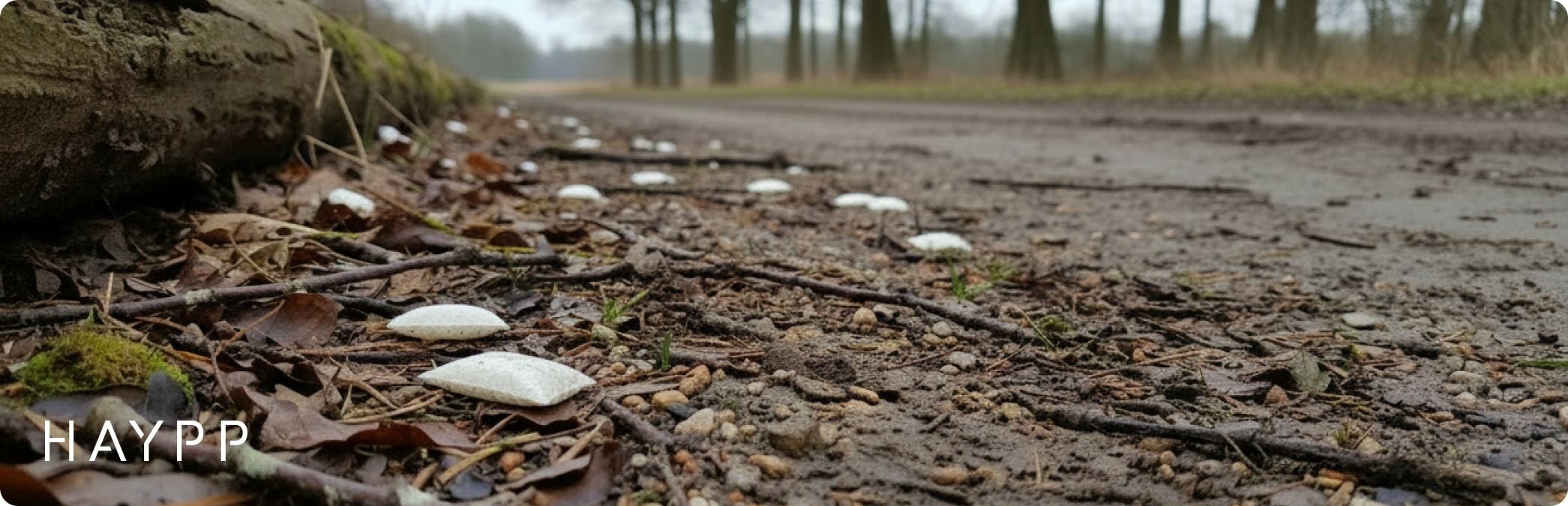
The Environmental Impact of Litter
Used nicotine pouches, like other small items of litter, can contribute to:
- Visual pollution in public spaces
- Extra pressure on local clean-up services
- Waste entering soil and waterways
- A broader litter problem in towns and cities
A small habit, like disposing of used pouches properly, goes a long way in the greater scheme of things.
Let’s expand on some of the environmental consequences that can ripple through several layers of the ecosystem:
- Wildlife risks: Small animals and birds may mistake nicotine pouches for food, leading to ingestion of microplastics and flavouring residues.
- Soil and water quality: Plastic particles and other unnatural materials disrupt nutrient balances, hinder plant growth, and impact local bacteria and microfauna.
- Aquatic environments: Microplastics easily enter waterways, contributing to broader plastic pollution in rivers, lakes, and seas.
How to Dispose of Nicotine Pouches Responsibly
Tackling the environmental footprint of pouches doesn’t require grand gestures. A few simple habits can help reduce waste:
- Put used pouches in a bin.
- Use the built-in lid compartment for used pouches if a bin is not nearby.
- Do not flush nicotine pouches down the toilet.
- Encourage others to dispose of them properly.
Where Do We Go from Here?
Nicotine pouches should always be disposed of as waste once used. While they are small, they can still contribute to litter and environmental pollution if thrown away incorrectly. The materials used in nicotine pouches mean that disposal can influence how long waste remains in the environment.
With minimal habit changes, ranging from mindful disposal to encouraging friends, you help keep parks, waterways, and city streets cleaner for everyone. Responsible disposal is a simple step that helps keep public spaces cleaner and reduces the amount of waste entering the environment.
