- Vaping works by heating e-liquid into vapour that is inhaled instead of smoke.
- Many devices activate automatically when you inhale.
- Inhalation style (like MTL vs DTL) affects vapour amount and overall experience.
- Proper setup and maintenance (like priming coils and cleaning) improve performance.
- There are different device types, from simple disposables to more customisable systems.
5 min read
Last update 2026-03-19

How to Vape
Vaping has become a popular alternative to smoking, offering a modern and customisable way to enjoy nicotine or flavoured e-liquids. Whether you're just starting out or looking to refine your technique, understanding how to vape properly and safely is key to a better experience.
Key Takeaways
Table of Contents
What is a Vape? The Key Components of a Vaping Device Different Types of Vaping and How to Do Them Mouth-to-Lung (MTL) Vaping How to Do MTL Vaping Best Devices for MTL Direct-to-Lung (DTL) Vaping How to Do DTL Vaping Best Devices for DTL Vaping Restricted Direct-to-Lung (RDTL) Vaping How to Do RDTL Vaping Best Devices for RDTL Vaping How to Vape Properly How to Vape Safely Vape Maintenance: How to Care for Your Vaping Device Alternatives to Vaping Final Thoughts
What is a Vape?
Vaping is an increasingly popular activity in the UK and all over the world. But what is vaping? In the simplest terms, vaping is the process of inhaling and exhaling vapour produced by an electronic device called an e-cigarette or vape.
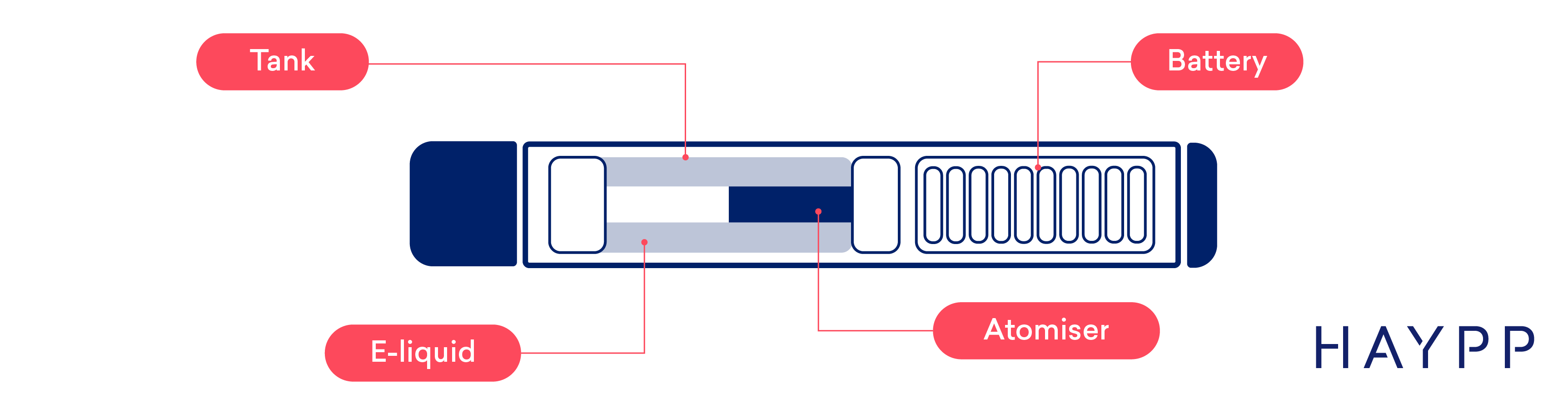
The e-cigarette or vape is typically composed of three main components: a battery, a tank or atomiser, and e-liquid. The battery is the key power source and can range from small and discreet pen-style devices to larger box mods. The tank or atomiser houses the e-liquid and contains a heating element, which is powered by the battery. The e-liquid is the substance that is heated, creating the vapour.
Vaping is different from smoking as it does not involve combustion. This means that no smoke is created, only vapour. Vapour is generally composed of propylene glycol, vegetable glycerine, flavourings, and nicotine (if desired). Because vaping does not involve burning tobacco, it differs from smoking in how vapour is generated and delivered.
The Key Components of a Vaping Device
So, what is a vape? To help you understand the basics of vaping, we’ve broken down the key components and what each part of a vaping device does.
Battery
At the centre of every vape is the battery. This is the power source that powers the device and keeps it running as you use the puffs. It’s important to make sure you store your device and battery properly when you aren’t using the vaping device. There are different types of vape batteries used in different devices - depending on which device or type of vape you choose, there may be some difference in the features and type of battery. Some of the differences can include variable voltage and wattage, and whether the battery is internal or external.
Tank
This is the part of the vape that holds the e-liquid and is usually connected to the battery. Tanks come in a variety of sizes and shapes, and some also feature adjustable airflow for more customised vaping.
Atomiser
This is the component that heats up the e-liquids, which then produces the vapour (which is why these devices are called vapes). Atomisers come in different shapes and sizes and can also have adjustable wattage and temperature controls.
E-liquid
This is the flavoured liquid that is vaporised when the device is in use. Typically, it contains nicotine, propylene glycol, vegetable glycerine and flavourings. It’s important to ensure you buy e-liquid from a reputable source, as poor-quality products can be dangerous.
These are the key components found in most vaping devices, although there may be variations depending on the type of vape.
Different Types of Vaping and How to Do Them
Vaping isn’t just about choosing a device—it’s also about the vaping style. Here’s a breakdown of the most common techniques:
Mouth-to-Lung (MTL) Vaping
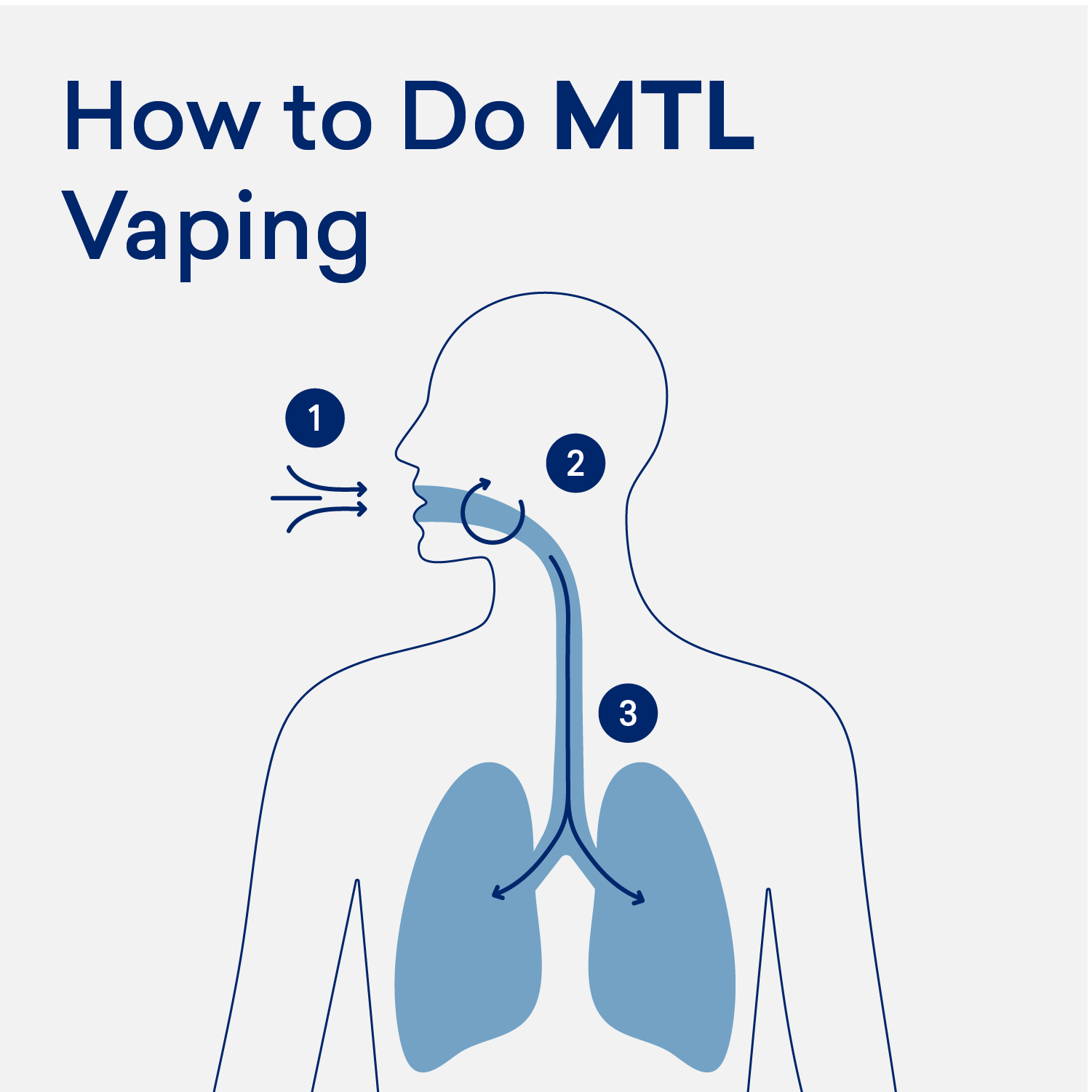
MTL vaping mimics the way you inhale when smoking a traditional cigarette, making it a popular option with smokers who are switching to vaping.
How to Do MTL Vaping
The steps to doing the MTL vaping technique are:
- 1. Take a slow, steady puff to draw vapour into your mouth.
- 2. Hold the vapour in your mouth for a second or two.
- 3. Inhale the vapour into your lungs before exhaling.
Best Devices for MTL
- Disposable vapes
- Prefilled pod systems
Direct-to-Lung (DTL) Vaping
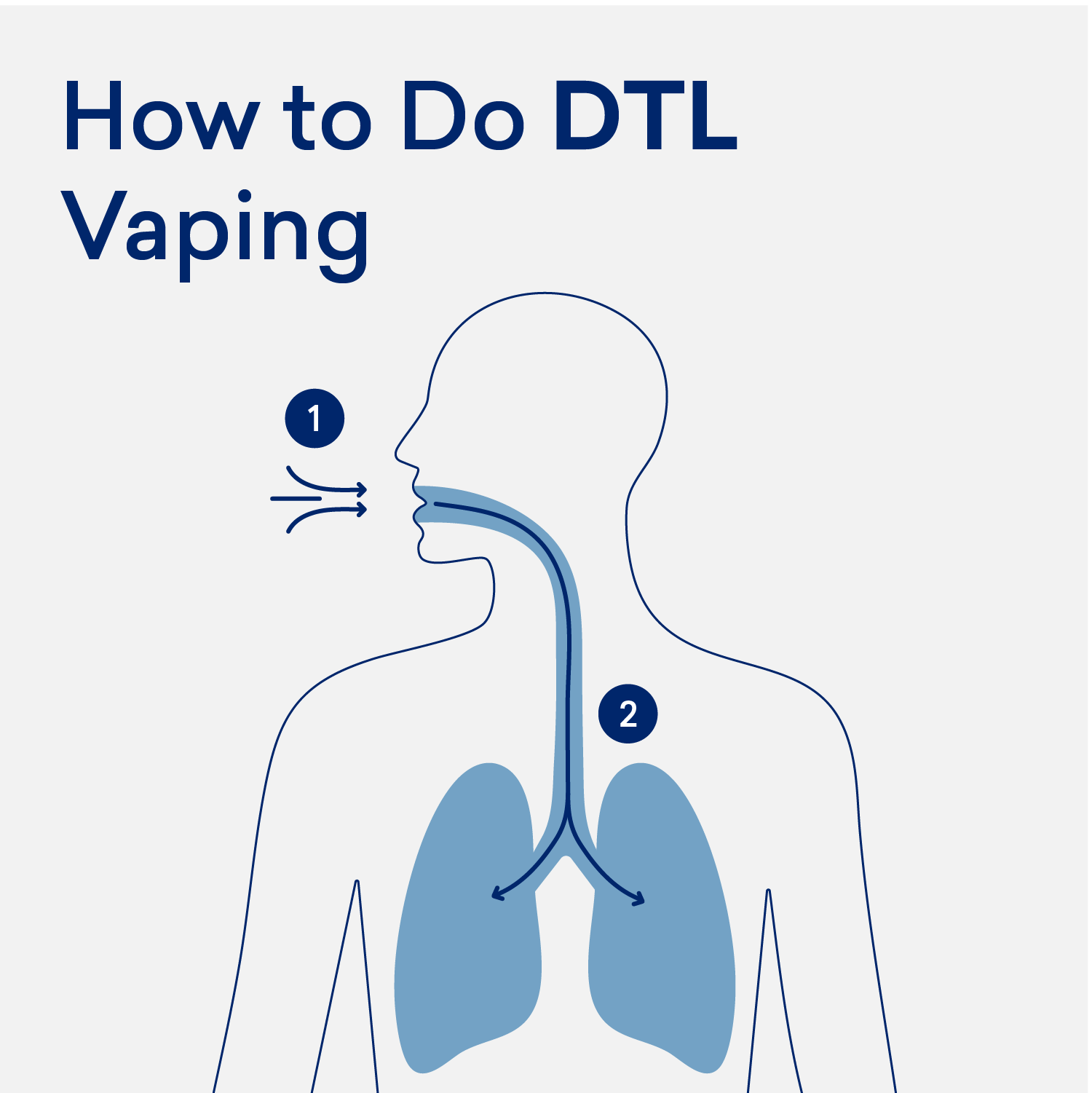
DTL vaping is better suited for experienced users and involves drawing vapour straight into your lungs, producing larger clouds and intense flavour.
How to Do DTL Vaping
The steps to doing the DTL vaping technique are:
- 1. Take a deep inhale directly into your lungs, bypassing your mouth.
- 2. Exhale the vapour steadily.
Best Devices for DTL Vaping
- Larger refillable kits
- Devices with lower nicotine strengths
Restricted Direct-to-Lung (RDTL) Vaping
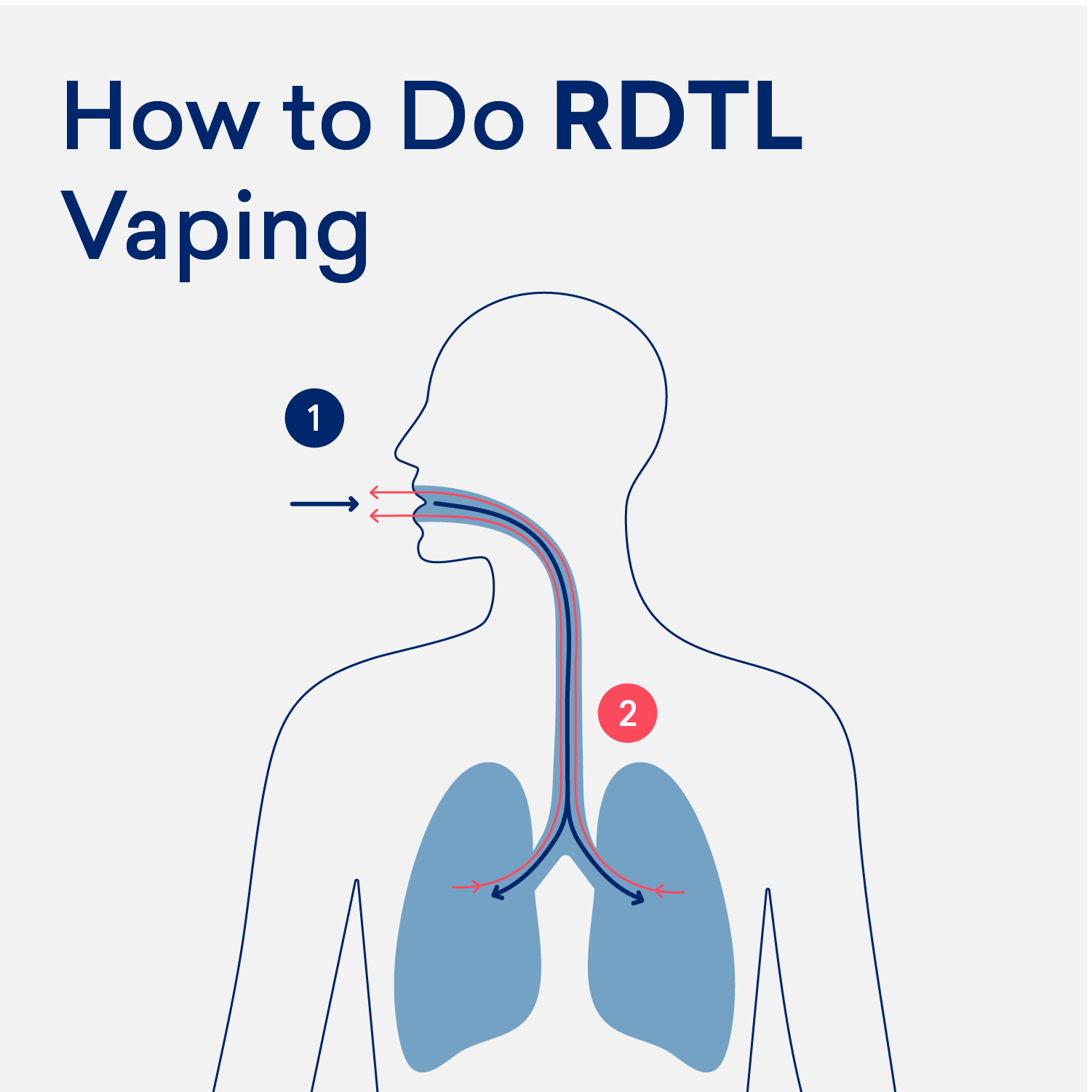
RDTL is a hybrid style between MTL and DTL, offering a smoother and more controlled experience.
How to Do RDTL Vaping
The steps to doing the RDTL vaping technique are:
- 1. Inhale directly into your lungs but with less airflow than a full DTL vape.
- 2. Exhale slowly for a smoother vapour release.
Best Devices for RDTL Vaping
- Refillable pod systems
- Devices with adjustable airflow
How to Vape Properly
As for how to vape properly, it is fairly simple - especially if you choose a disposable vape or vape pod kit. Disposable vapes and vape pod kits work with inhale activation via an airflow sensor, which detects when you are taking a puff and activates the vape.
Step 1: Prime Your Device
Allow your e-liquid to saturate the coil before your first puff to avoid dry hits.
Step 2: Adjust Your Inhale Technique
- For MTL devices, take slow and steady puffs.
- For DTL devices, inhale deeply to draw vapour straight into your lungs.
Step 3: Experiment with Airflow (If Available)
Adjust the airflow settings (if available) to find the balance between vapour production and flavour intensity.
Step 4: Keep Your Device Clean
Regularly clean refillable vapes to prevent residue build-up and maintain performance.
How to Vape Safely
Understanding how to vape properly helps you do so safely.
Tips for safe vaping:
- Use Quality Products: Always choose reputable sources.
- Store Safely: Keep devices and e-liquids away from children, pets, and extreme temperatures.
- Monitor Nicotine Intake: Avoid excessive consumption.
- Follow Manufacturer Guidelines: Read your device manual.
Vape Maintenance: How to Care for Your Vaping Device
Proper maintenance keeps your vape working at its best:
- Clean Regularly – Use alcohol wipes to remove dirt and residue.
- Store Properly – Keep in a cool, dry place away from direct sunlight.
- Use the Right Charger – Avoid incompatible chargers.
- Replace Coils Regularly – Ensures the best flavour and vapour.
- Check Batteries – Inspect for wear or damage and replace if needed.
Alternatives to Vaping
If you’re looking to reduce or stop vaping, there are several alternatives that can help:
- Nicotine Pouches: A smoke-free, discreet option that allows you to enjoy nicotine without inhaling vapour. Nicotine pouches can be convenient for on-the-go use and are available in a range of flavours and strengths.
- Nicotine Replacement Therapy (NRT): Products such as patches, gums, or lozenges can help manage cravings in a controlled way.
- Behavioural Support: Programs, apps, or online resources can support quitting or reducing nicotine use.
- Nicotine-Free Options: For those who enjoy the ritual without nicotine, there are vapour-free nicotine free alternatives to consider.
Final Thoughts
Overall, the guide emphasises that vaping is relatively easy to start but benefits from understanding the basics. Choosing the right device, using proper inhalation techniques, and maintaining your vape can significantly improve both the experience and safety. While options exist for vapers new to kits, taking time to learn how your device works will help you get the most out of it.

FAQ: How to Vape
How Do You Vape?
Vaping involves inhaling vapour from a device using techniques like Mouth-to-Lung (MTL), Direct-to-Lung (DTL), or Restricted Direct-to-Lung (RDTL).
How to Inhale a Vape Properly?
For MTL, draw vapour into your mouth before inhaling into your lungs. For DTL, inhale deeply straight into your lungs.
How to Use a Vape Safely?
Use quality e-liquids, monitor nicotine intake, follow device instructions, and store your device safely.
Can Beginners Vape Safely?
Yes. Start with low nicotine levels, use beginner-friendly devices, and learn proper inhalation techniques.