
Lab Testing Results: Caffeine Pouch Label Accuracy
Caffeine pouches are a faster-acting, sugar-free alternative to coffee and energy drinks, so knowing your dose matters. To check label accuracy, Haypp asked the accredited Eurofins laboratory to analyse caffeine contents in pouches.
Key Takeaways
- Caffeine is the most widely used stimulant in the world.
- Caffeine pouches can suit on-the-go routines.
- Higher doses and late-day use can increase jitters and disrupt sleep.
- Predictable dosing is important for planning your total intake.
What is Caffeine?
Caffeine is a naturally occurring stimulant found in coffee, tea, cocoa, and several other plants. It works by blocking adenosine receptors in the central nervous system.
How Do Caffeine Pouches Work?
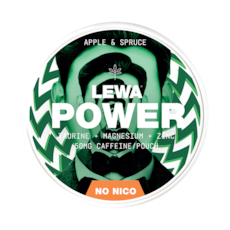
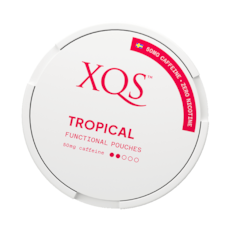
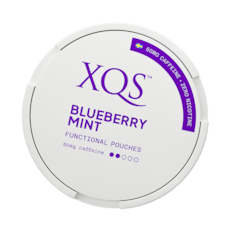
Caffeine pouches are small sachets designed to deliver caffeine directly to the bloodstream through the lining of your mouth rather than through your stomach. They typically contain 50-200 mg of caffeine and flavourings. Some also have vitamins, sweeteners, or herbal additives. Caffeine pouches are nicotine free.
How Do Caffeine Pouches Compare to Other Caffeine Products?
How much caffeine do pouches contain compared to coffee and energy drinks?
According to the European Food Information Council, 400 mg of caffeine a day is equal to about:
- 7 cups of black tea (250 ml per cup, containing 55 mg of caffeine)
- 4 cups of filter coffee (200 ml per cup, containing 90 mg of caffeine)
- 5 espressos (60 ml per espresso, containing 80 mg of caffeine)
- 5 cans of energy drink (250 ml per can, containing 80 mg of caffeine)
- 10 cans of cola (355 ml per can, containing 37 mg of caffeine)
- 10 cans of cola (355 ml per can, containing 37 mg of caffeine)
Caffeine pouches list the amount of caffeine in mg and deliver it more directly through the lining of the mouth, offering an alternative to coffee or energy drinks. Initially popular among on-the-go consumers, caffeine pouches are now gaining traction with professionals, athletes, and anyone seeking a quick energy boost without nicotine, sugar, calories, or mess.
More About Caffeine Pouches in the UK
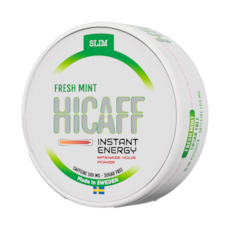
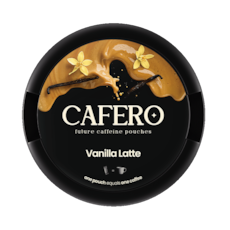
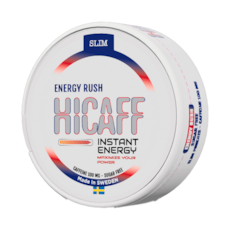
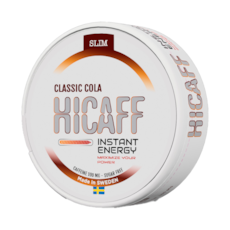
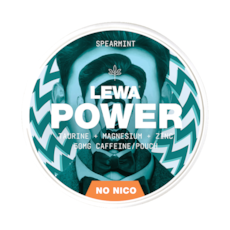
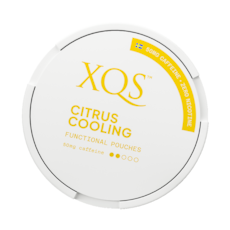
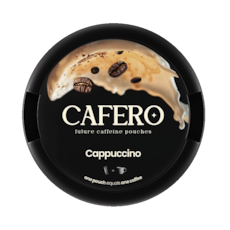
Caffeine pouches are a fast-growing trend in the UK. Why the surge in popularity? Convenience and health-consciousness are key drivers. Consumers increasingly want low-calorie options that fit into busy lifestyles. Unlike traditional drinks, caffeine pouches require no preparation and can be used anywhere—on the train, at the office, or during a workout. They also provide precision dosing, with most products offering between 50 mg and 200 mg of caffeine per pouch.










Are Caffeine Pouches Safe?
Wondering what amount of caffeine is considered safe?
The European Food Safety Authority says “Habitual caffeine consumption up to 400 mg per day does not give rise to safety concerns for non-pregnant adults.”
Caffeine is not without its risks. Whether you are interested in caffeine for athletic performance or just want an energy boost at the office, it’s good to know exactly how much caffeine you are using.
Too much caffeine can cause rapid heartbeat, restlessness, or trouble sleeping. Read more about caffeine pouches in our Nicopedia blog.
How Much Caffeine is Actually Inside?
With more brands entering the market, consistency in product quality matters. So how much caffeine is actually in these pouches? Haypp Group wanted to find out.
We asked the accredited independent laboratory Eurofins to analyze caffeine pouches with labeled doses ranging from 20 to 180 mg. Each product was tested to verify that the actual caffeine amount matched what brands claimed and to ensure it fell within reasonable limits for consumer safety.
The results: Testing showed a 93% average. That means if a pouch was labeled as 100 mg, we measured 93 mg. The test margin of error is ±10%, so the caffeine pouches sold at Haypp are accurately labeled. The Eurofins expert said, “I was surprised it was so close to the target on most of them, because it was more or less perfect.”
References
- Administration of Caffeine in Alternate Forms. K.A. Wickham and L.L. Spriet.
- Caffeine, nicotine, cannabis, and psilocybin: Pharmacology, toxicology, and potential therapeutic uses of four naturally occurring psychoactive substances. S.E. Christen et al.
- A Randomized, Two-Way Crossover Study to Evaluate the Pharmacokinetics of Caffeine Delivered Using Caffeinated Chewing Gum Versus a Marketed Caffeinated Beverage in Healthy Adult Volunteers. P. Sadek et al.
